Preventing the revolving door of chronic illness
When a chronic patient leaves hospital, Aeira generates their care plan, assigns tasks to every stakeholder, and monitors recovery — automatically. No missed follow-ups. No fragmented communication. No preventable readmissions.
A coordination failure, not a clinical one
“India discharges millions of chronic patients every year with no structured follow-up. Hospitals, clinicians, families and payers each hold a piece of the patient picture — but no one holds the whole one. That fragmentation is the gap patients fall through.”
Heart failure. COPD. Diabetes. CKD. A systematic review of 34 studies found 27% of all readmissions are preventable — in India, with near-zero structured post-discharge infrastructure outside metro areas, the true figure is higher. The medical knowledge exists. The coordination mechanism does not.
of patients generate over 51% of all readmissions. A platform that identifies and coordinates care for this cohort generates outsized impact — at a fraction of the cost of treating the readmission.
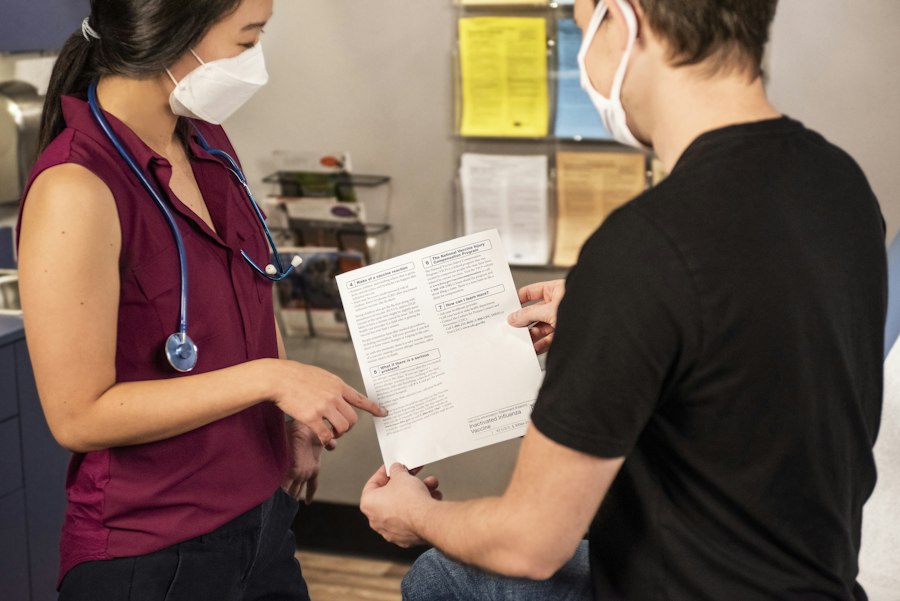
Fewer than 20% of patients in Tier 2 and Tier 3 India receive any structured follow-up after discharge. The 72 hours after leaving hospital are effectively unmonitored — the highest-risk window in post-acute care.
From discharge to stable — in three steps
Aeira activates the moment a patient leaves hospital. No setup per patient. No manual coordination.
Discharge triggers the plan
Within minutes of a patient leaving hospital, Aeira reads the discharge summary and generates a structured care plan — medication schedule, follow-up appointments, warning signs to watch, and caregiver tasks. No manual entry.
Every stakeholder gets their role
The care manager gets a risk dashboard. The family gets WhatsApp tasks in plain language. The payer gets compliance signals. One patient, one shared plan — everyone sees only what they need to act on.
AI monitors and escalates
Vitals, medication adherence, and self-reported symptoms are tracked daily. Aeira flags deterioration before it becomes a readmission — automatically routing alerts to the right person at the right time.
A reasoning partner, not another dashboard
“We do not hand care teams another dashboard to monitor. We give them a reasoning partner that tells them which patient needs attention today, why, and what to do about it.”
Aeira Care integrates directly with existing hospital EHRs through a plug-and-play architecture. Our explainable AI surfaces clinically responsible, context-aware insights — so care teams can trust and act on what they see. The result: fewer readmissions, lower penalty exposure, and measurably better outcomes for the patients who need it most.
Weight gain 3.2 lbs — diuretic review flagged
Missed pulmonology follow-up
Plug-and-play connection to existing hospital systems. Minimal IT lift.
Not black-box scores — clinical reasoning care teams can interrogate and act on.
Flags which patient needs attention today, why, and what to do about it.
Patients, caregivers, providers and payers all operate from one shared care plan.
One platform. Every person in the care chain.
Reduce readmission penalties. Prove ROI in 90 days.
- Automated post-discharge coordination — no extra headcount
- Real-time readmission risk dashboard across all discharged patients
- Penalty exposure reduced, NABH quality scores improved
- EHR-native integration — minimal IT lift
Readmission reduction in prospective clinical deployments
Know exactly which patient needs you today, and why.
- AI-generated care plans — no manual discharge documentation
- Prioritised daily worklist: who to call, what to say
- Automated WhatsApp outreach for routine check-ins
- Escalation alerts surface before deterioration becomes crisis
Patient identification sensitivity with NLP-augmented models
Always know what to do. Get alerted before it's serious.
- Plain-language tasks: 'Give 20mg Furosemide with breakfast'
- Daily check-in via WhatsApp — no app to download
- Immediate alert if warning signs appear
- Shared visibility with the hospital care team
Post-discharge window where family support changes outcomes
Owning the white space between data and outcome
Built for transitional care
vs. retrofitted data warehousesExisting platforms are data warehouses adapted for care management. Aeira was purpose-built around the care-transition moment where readmission risk is highest.
Explainable, actionable AI
vs. opaque risk scoresClinicians see not just risk scores but clinical reasoning they can interrogate and act on. This builds trust and drives adoption in a way black-box models cannot.
Plug-and-play EHR integration
vs. 18-month implementationsWe minimise IT overhead with rapid EHR integration — removing the biggest barrier to health system adoption without a five-year implementation cycle.
Full-stakeholder alignment
vs. fragmented point solutionsPatients, caregivers, providers and payers all operate from one shared care plan. Most solutions address one or two stakeholders — Aeira aligns all four.
Broad post-acute platforms lack a focused AI layer. Condition-specific apps don't address cross-setting coordination. Aeira occupies the defensible position between them — purpose-built for the transition moment where readmission risk is highest. We intend to own it.
See Aeira in 30 minutes.
Book a demo and see how Aeira generates a care plan, assigns stakeholder tasks, and flags risk — automatically, from a single discharge summary.
Care that feels like family.